
This exhibition at Muse Gallery brings together contemporary miniature artists who approach tradition not as something to be preserved, but as a dynamic field of inquiry. Drawing from the legacy of South Asian miniature painting, the works extend form into a critically reflective practice that thoughtfully engages questions of identity, memory, politics and belonging.
The curator of the show, Minahil Ahmed, shares “the artists navigate the delicate threshold between continuity and transformation. Their works fragment and reconstruct symbols, revisit inherited narratives and open new possibilities with their intimacy of scale and craft. Here, miniature becomes a site where personal and collective histories intersect not as static memory, but as evolving dialogue.”
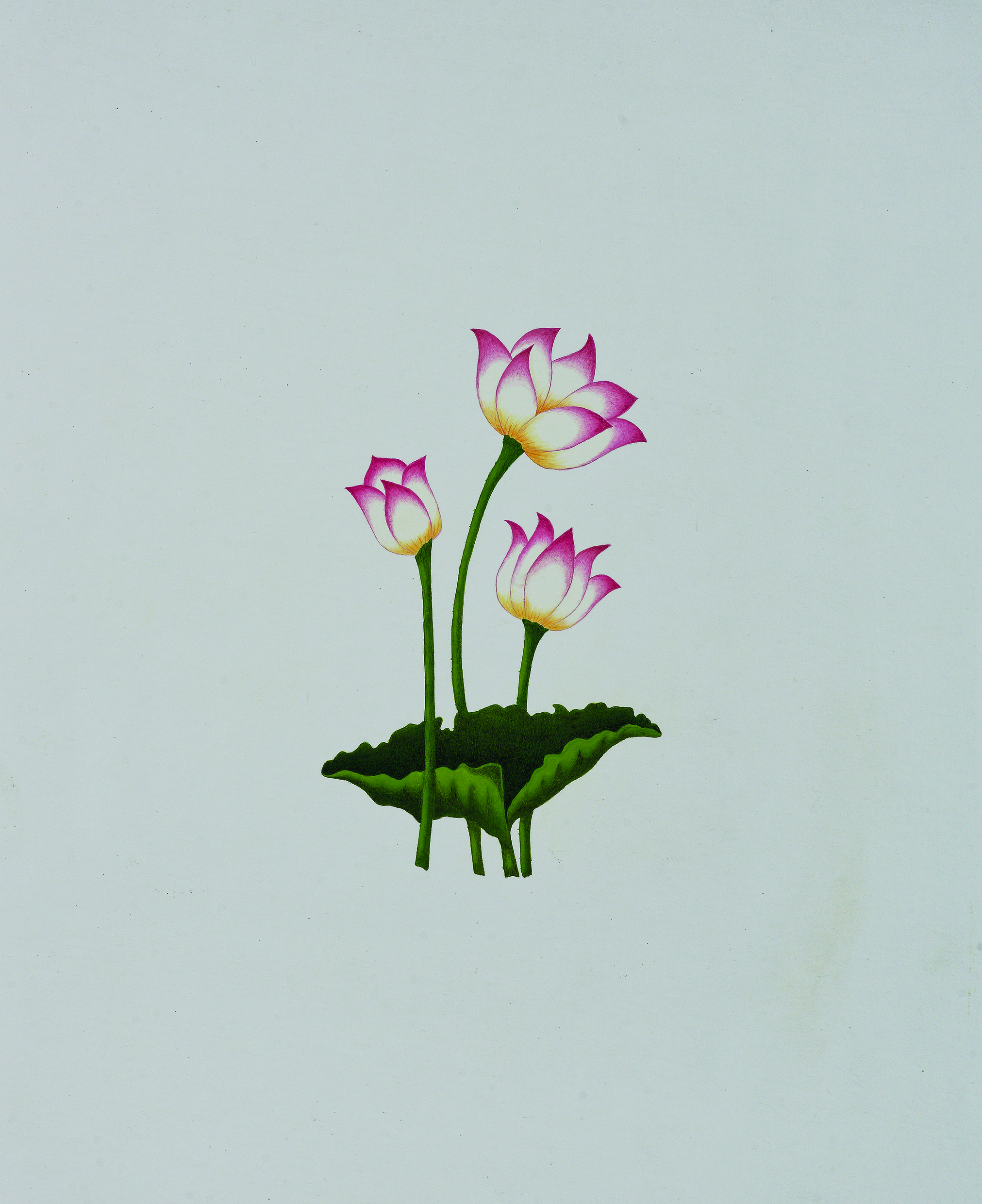
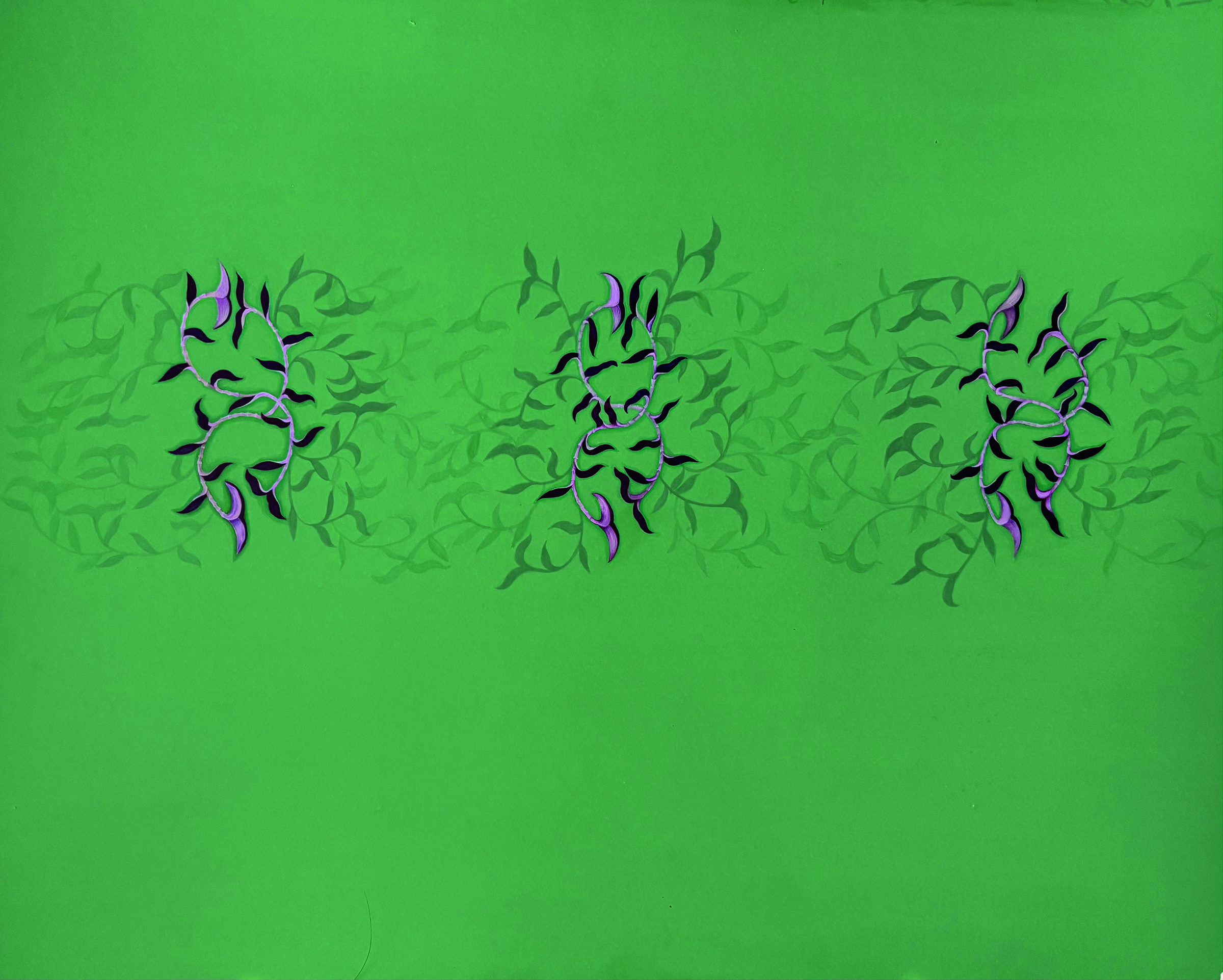
Bareera Sajid makes use of gouache on surfaces like wasli, arches and other archival papers. Through meticulous observation, plant life becomes a visual language for exploring tension and coexistence, growth and resistance, fragility and endurance. Her work translates natural rhythms into carefully structured compositions.
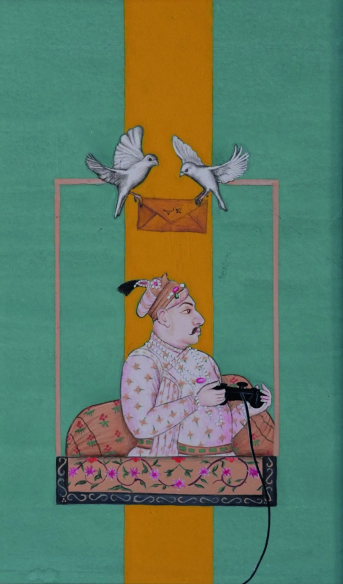
Fatima Mushtaq shares, “my work explores the human condition and its ongoing struggle under political, emotional and technological control. Using the language of traditional Mughal miniature painting, I reflect on how power and illusion have transformed over time yet continue to dominate our lives. By merging Mughal figures with modern digital elements, I question the idea of progress and illusion of freedom in a world controlled by invisible systems. I use miniature painting to preserve traditions while reimagining it within a contemporary context.”
Fatima Tariq draws inspiration from the visual language of South Asian miniature painting, approached not as fixed historical tradition but as a flexible evolving form. Through rigorous attention to detail, her practice examines how inherited modes of depiction can be reconfigured to reflect contemporary emotional and social realities. These works articulate states of [psychological intensity, constraint, vigilance and introspection, while questioning how identity and belonging are shaped within systems of power, memory and cultural transmission.
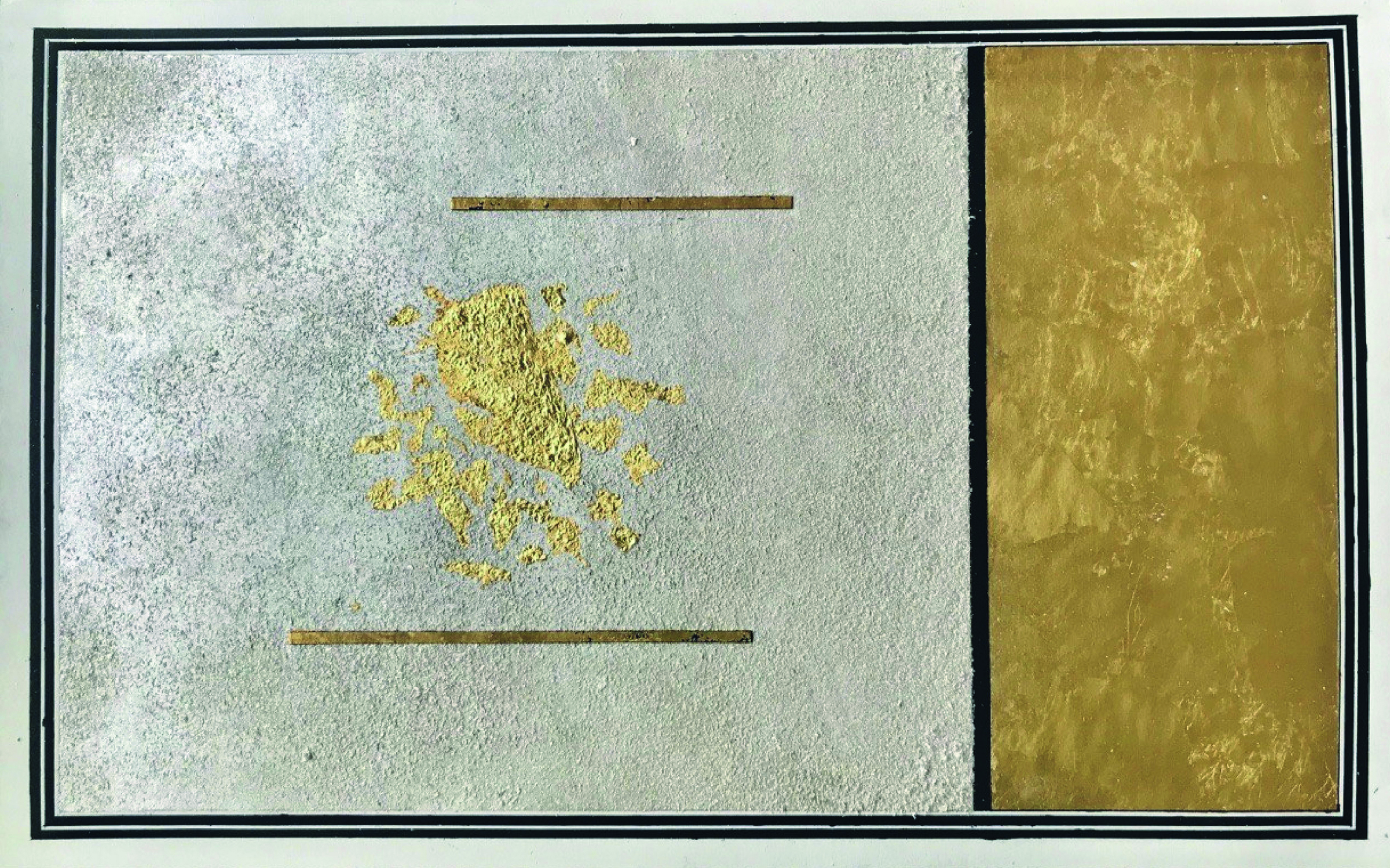
Ghulam Husain’s structured boundaries and layered surfaces probe the vulnerability of matter, remembrance and duration. Architectural allusions anchor the composition as meditative filed where precision and disruption converge, drawing the viewer into a reflective encounter.
Hadia Moiz explains, “I work with miniature paintings, books as my medium, which contain centuries old manuscript illustrations. The process of my work is immensely meditative and decision-oriented, beginning with binding the edges of the book and meticulously starting to remove the text with scalpel, leaving the selected images intact in their respective places. Elimination of text gives freedom to interpret and shifts the narrative dependency on text to the visual language, giving the space to transform and open new dialogues, connections and meanings.”
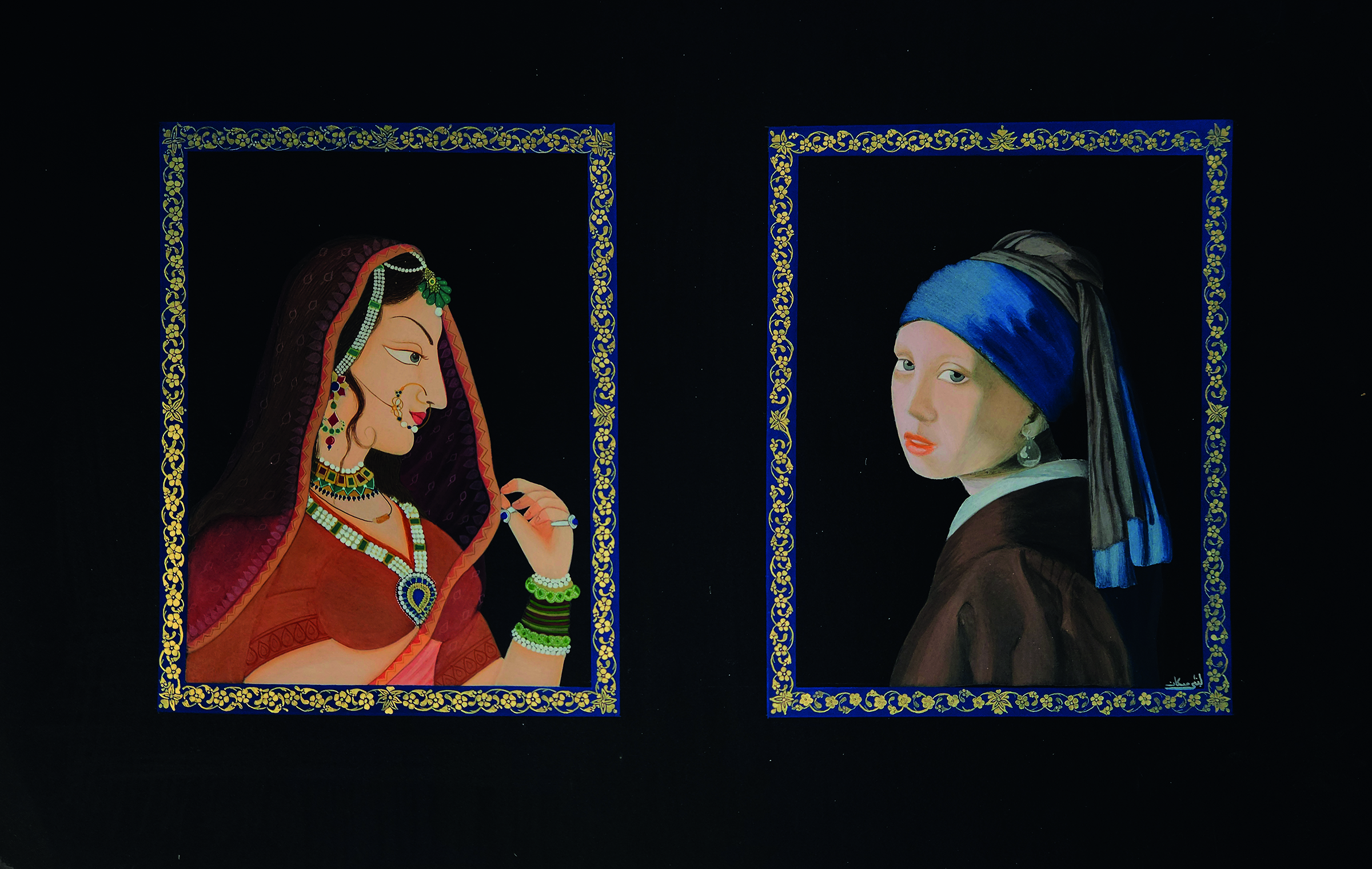
Lubna Muskan shares, “my work celebrates the refined elegance, storytelling and rich symbolism found in these classical forms, while reimagining them through the lens of the contemporary world. The Mughal and Persian traditions have long captured my imagination with their delicate detailing and vibrant compositions.”
Through her work Nimra Shah explores the detailed relationship between life and decay, drawing upon the fleeting nature of time and transformation. “I capture the dynamic beauty of decay, growth and the tension that resides between them.”
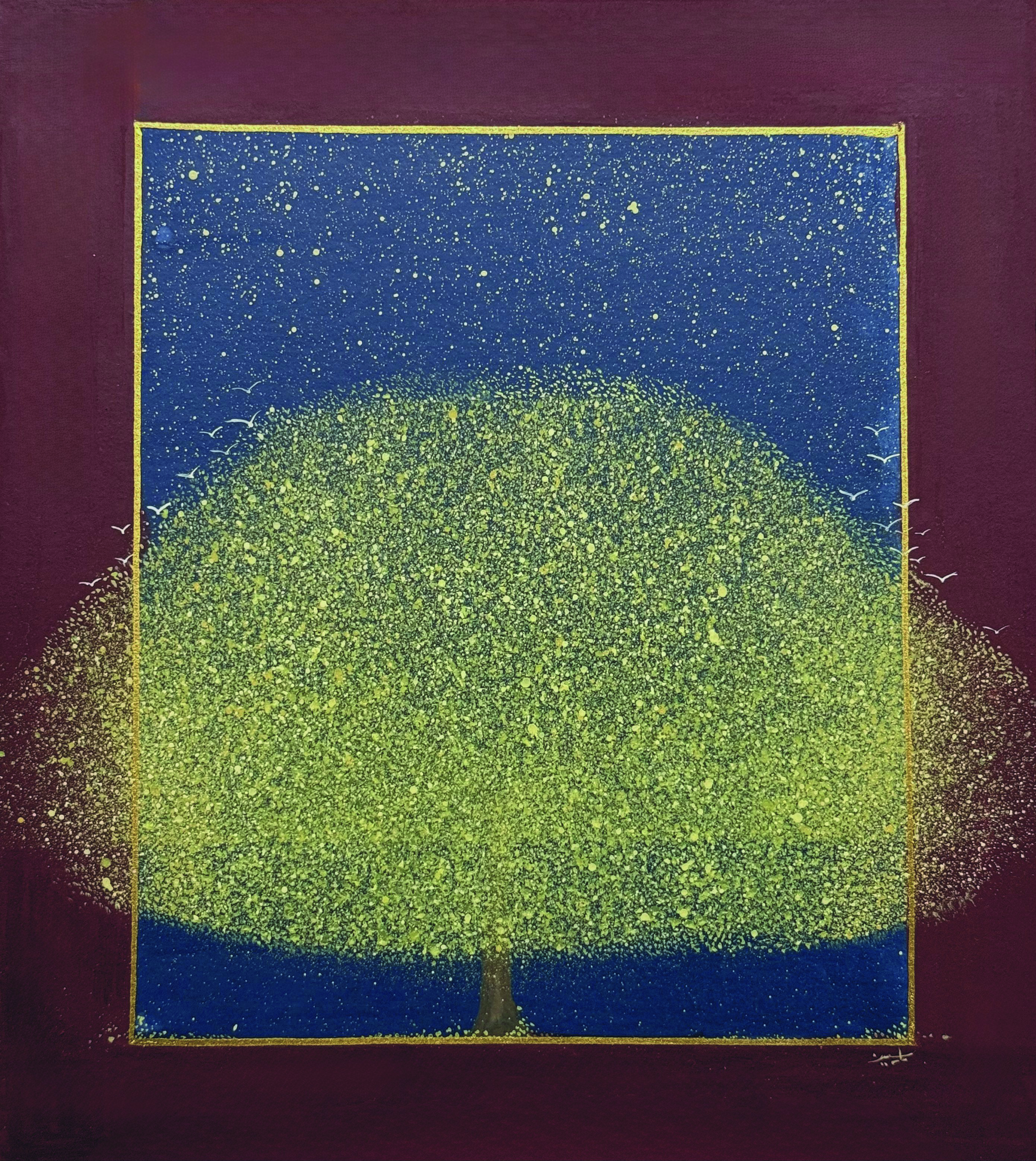
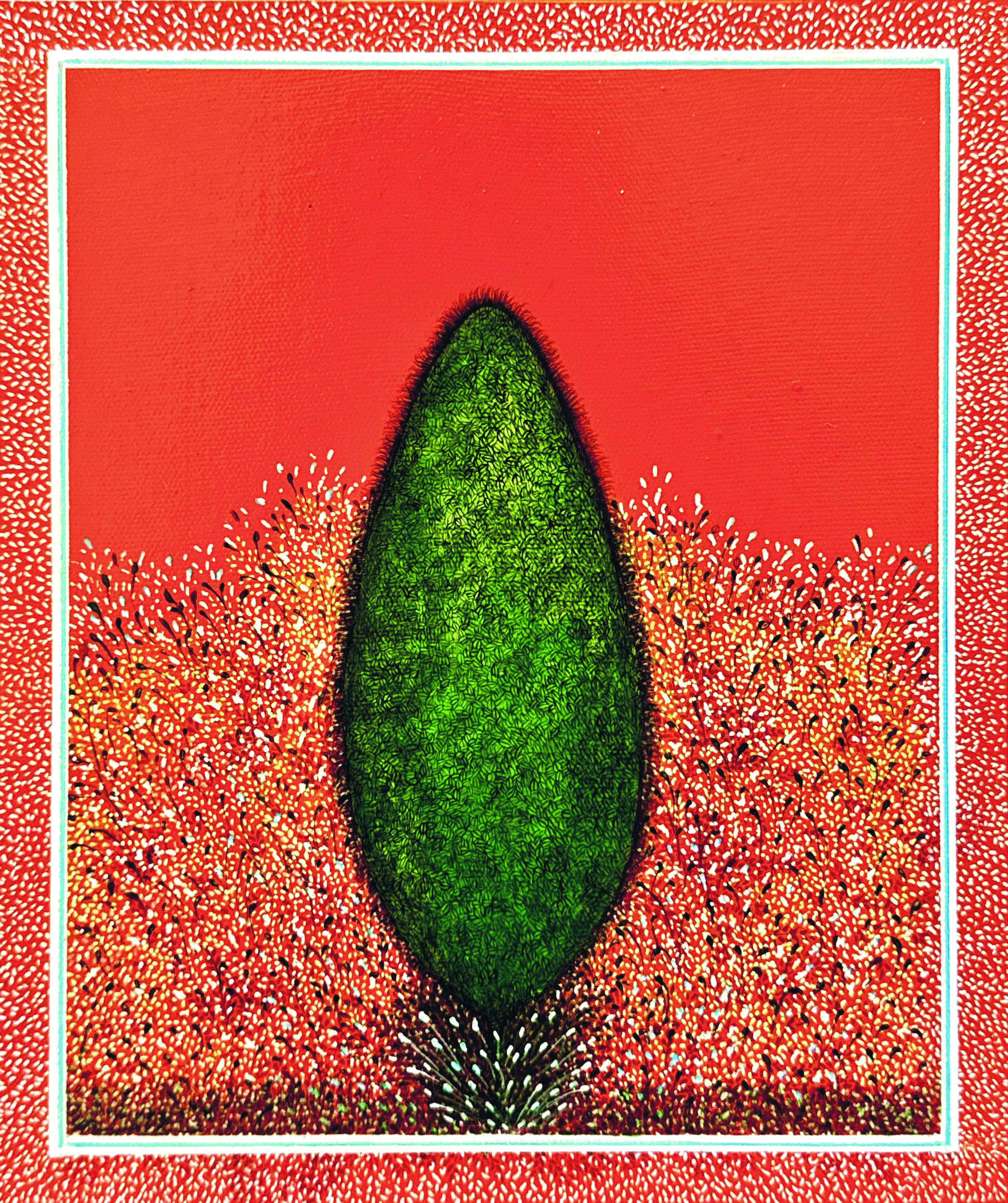
Qasim Bugti’s work serves as a reminder for endurance and continuity. Drawing from mythic and cosmological traditions, trees emerge as connective figures linking earthly and transcendent realms, past and present cycles of becoming. Textural surfaces marked by age, erosion and persistence serve as quiet archives of time, aligning human and natural histories through a practice rooted in classical technique and contemplative making.
Shanzay Subzwari comments on her work and process, “my work is influenced by my training in Mughal Miniature painting, with a foray into popular culture inspired by socio-political imagery, based on history, society and the human condition. I include elements from currency notes as a base or framework to build my ideas upon. An interest in detail and layering emerges in these pieces, as in my papercutting, acrylic and video works.”
Collectively, the exhibition proposes miniature art as a living site of reflection, inviting viewers to reconsider how histories are remembered, meanings are shaped and identities are situated with evolving cultural landscapes.
CAPTION
Bareera Sajid, Strength in delicacy V, 13.5 x 17.5 inches, Gouache on wasli
Fatima Mushtaq, Hope, 4x7 inches, Gouache on Wasli
Fatima Tariq, Bloom II, 11x9 inches, Gouache and watercolour on Wasli
Ghulam Hussain, Interwoven Light, 10 x 15 inches, Gold silver and charcoal powder on wasli paper
Lubna Muskan, 18 x 12 inches, Gouach on wasli
Maheen Elahi, Still, it grows, 9x8 inches, Gouache on wasli
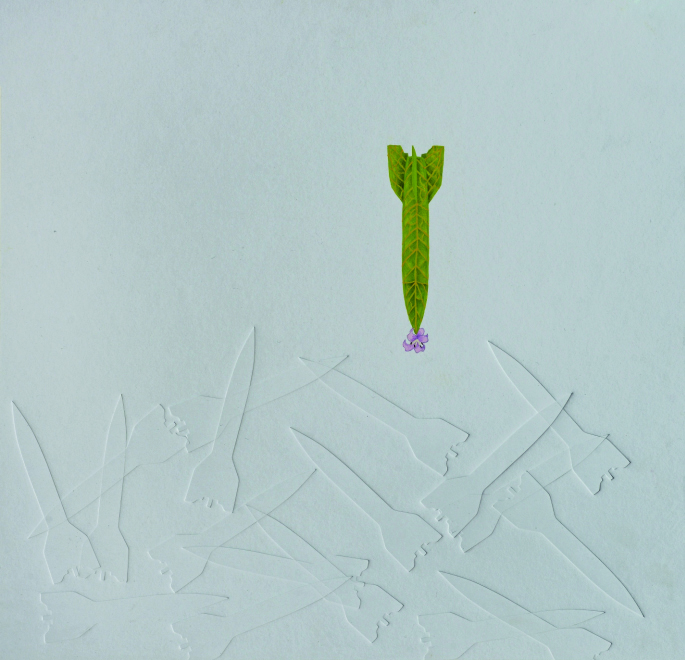
Nimra Ahmad, The Inverse Ruin, 11 x 11 inches, Opaque Watercolor and Debossing on Wasli
Nimra Shah, The tree that holds us, 9 x 7 inches, Acrylic on canvas
Pakistan Art Gallery